

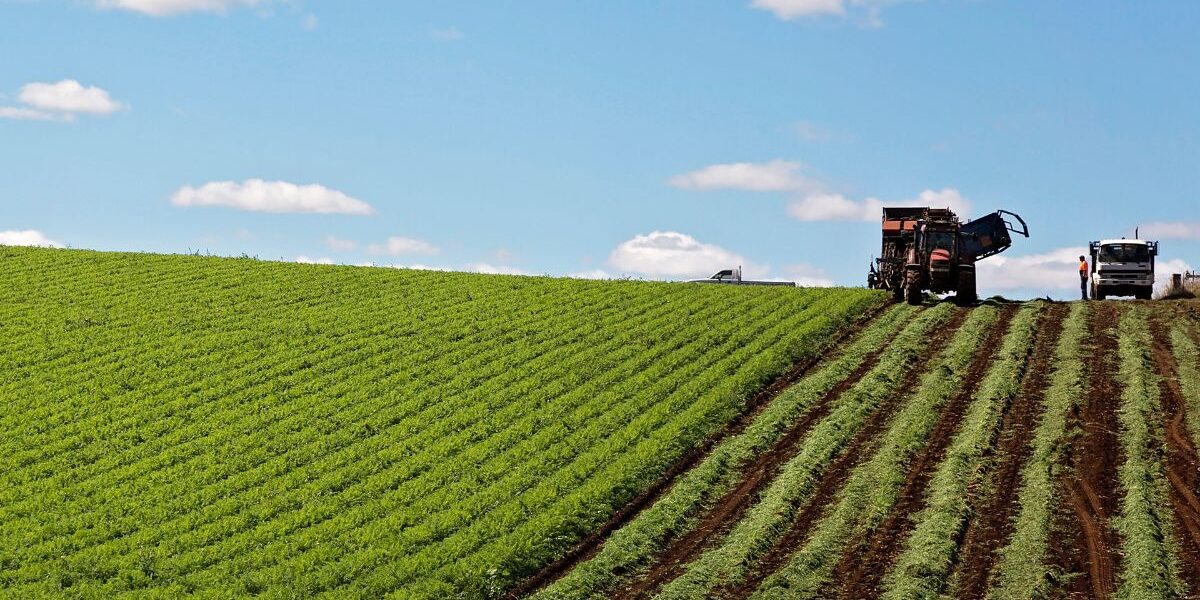
Agricultural property valuation is a cornerstone of informed decision-making for property owners, buyers, and investors in South Africa’s thriving agricultural sector. Whether you’re planning to buy, sell, or invest, understanding the valuation process ensures that you maximise the potential of your land.
This guide explores the key aspects of agricultural property valuations and how DeoCo Property Valuation Services can support your goals.
What is an Agricultural Property Valuation?
Agricultural property valuation is the process of determining the monetary value of a registered cadastral unit of land designated for farming or agricultural use. This type of valuation considers various factors such as water rights, water availability, types of farmland (dry lands, pastures, natural grazing etc) and location.
The Importance of Accurate Valuations
For agricultural property owners, accurate valuations are critical when selling land, applying for loans, or determining municipal market value. Similarly, buyers and investors rely on precise valuations to assess the potential profitability and sustainability of a property. Mining companies who require farm values for compensation and possible expropriation require accurate agricultural land values to assist in negotiation.
The Significance of an Agricultural Property Valuation Report
An agricultural valuation report provides a detailed breakdown of a property’s worth, including specific characteristics that contribute to its value. Here’s why these reports are indispensable:
- For sellers: ensure fair pricing when listing your property.
- For buyers and investors: minimise risks by understanding the land’s true value and potential.
- For financial institutions: serve as a reliable basis for loan approvals or mortgage assessments.
- For tax purposes: simplify compliance with South African property tax regulations.
- For financial peporting purposes: as required for owners and investors alike.
3 Key Factors that Influence Farm Valuations in South Africa
South Africa’s diverse geography and economic landscape make each agricultural property unique. The following factors play a critical role in determining value.
1. Location and Land Characteristics
- Proximity to markets and infrastructure: farms closer to cities or transport networks are typically more valuable.
- Land quality and size: fertile soil, adequate rainfall, and size determine agricultural productivity.
- Water rights: access to reliable water sources can significantly influence value.
2. Economic Factors
- Commodity prices: fluctuations in crop or livestock prices affect profitability and, consequently, land value.
- Economic conditions: inflation, interest rates, and government policies on agriculture also impact valuations.
3. Regulatory Considerations
- Zoning laws: compliance with agricultural zoning restrictions is vital.
- Land reform policies: in South Africa, current and future land reform initiatives may affect valuations.
Farm Valuation Methods
There are several recognised approaches to conducting farm valuations. Below are the most common methods used in South Africa.
Market Comparison Approach
- Compares the property to recent sales of similar agricultural land.
- Works best in areas with active agricultural real estate markets.
Income Capitalisation Approach
- Focuses on the potential income the land can generate.
- Considers crops, livestock, and other revenue streams.
Cost Approach
- Estimates the cost to replace the land and its improvements (e.g., buildings, irrigation systems) minus depreciation.
Hybrid Approach
- Combines multiple methods to provide a balanced perspective, especially for complex properties.
What to Consider When Listing Your Agricultural Property for Sale
If you’re planning to sell, a well-timed and informed approach can maximize returns. Here are some tips:
- Timing: monitor market conditions to sell when demand for agricultural land is high.
- Comprehensive valuation: An agricultural valuation report can help you set an accurate asking price.
- Property improvements: enhancing infrastructure (e.g., fencing, irrigation) can boost valuation.
- Legal compliance: ensure all permits and documentation are up to date to attract serious buyers.
How DeoCo Valuations Approaches Agricultural Property Valuations
At DeoCo Valuations, we pride ourselves on offering expert services tailored to South Africa’s unique agricultural market. Our process includes:
- Detailed property inspections: assessing soil, water rights, infrastructure, and more.
- Market analysis: leveraging the latest data on comparable sales and economic conditions.
- Customised reports: providing actionable insights specific to your property’s features.
- Expert consultation: offering personalized advice for property sales or investments.
By blending cutting-edge methods with a deep understanding of local agricultural trends, DeoCo Valuations ensures that you make confident and profitable decisions.
Final Thoughts on Agricultural Property Valuations
Agricultural property valuations are a crucial tool for navigating South Africa’s dynamic agricultural sector. Whether you’re a property owner, buyer, or investor, understanding the valuation process can unlock the true potential of your land. By partnering with experts like DeoCo Valuations, you can ensure accuracy, reliability, and success in all your agricultural endeavours.
For professional agricultural property valuation services, contact DeoCo Valuations today!